Tin tức
Cập nhật hoạt động và tin tức mới nhất từ CityLand
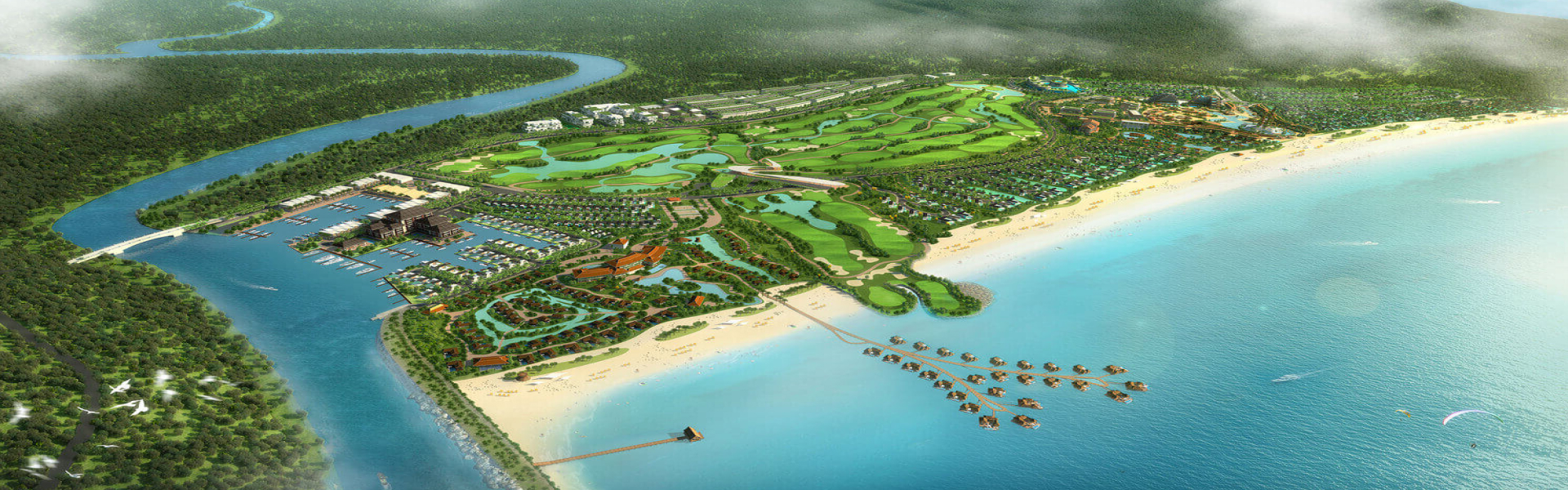


Following a period of rapid expansion, during which the sector recorded growth rates of up to 50% per annum, Vietnam’s tourism and resort real estate market has experienced continuous volatility since 2018, driven by both objective and subjective factors.
The combined impact of the COVID-19 pandemic and broader economic challenges has dealt a significant blow to the growth momentum of the resort real estate sector, forcing many projects in the planning or launch phases to suspend their development plans.
After a prolonged period of market stagnation, a number of developers have begun introducing new projects. At the same time, several resort real estate developments that had previously halted sales activities have restarted their communication efforts, undergone rebranding, and re-launched products to the market.
Nevertheless, developers remain highly cautious. The majority of projects reintroduced in 2024 have primarily been mid-priced developments, designed to align with the financial capacity of a broad range of buyers.
Reasonable pricing, combined with flexible payment schemes and extensive marketing campaigns, has begun to rekindle market interest—particularly in “second-home” projects located in destinations with well-developed infrastructure and strong international tourism appeal, such as Nha Trang and Da Nang.
With approximately 85,000 second-home units launched across key destinations, Vietnam is widely regarded as one of the fastest-growing resort real estate markets, offering a diverse range of product types. However, the upper-upscale to luxury segments account for less than 5% of total supply, and buyers in this segment maintain exceptionally high standards.
In the luxury segment, purchasing resort real estate is not merely an investment decision, but also a means of asset preservation and an expression of the owner’s personal values and status. Consequently, this clientele carefully evaluates multiple factors before committing capital—ranging from location, architectural design, and amenities to the credibility of the developer, the reputation of the operating brand, and the overall quality of service.
Encouraging signals since late 2024, alongside ongoing infrastructure upgrades, are expected to further enhance connectivity between urban centers, suburban destinations, and coastal areas. These developments are anticipated to serve as catalysts for the launch of new resort real estate projects in 2025.
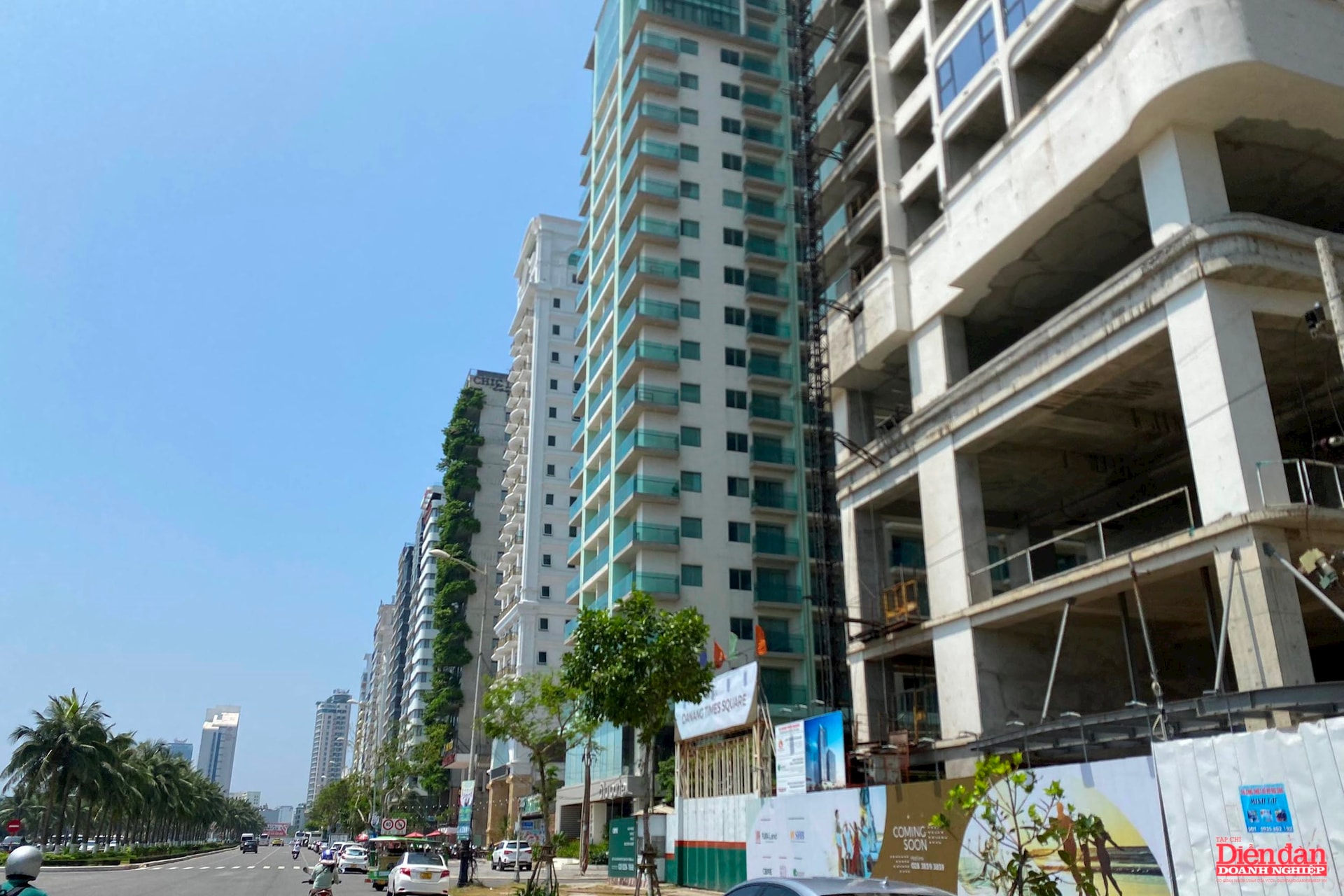
In addition, several large-scale resort projects that have remained “hibernating” in recent years may undergo restructuring and rejoin the market in the near future.
From a positive outlook, the resort real estate sector is projected to recover on the back of tourism revival and increasing demand from both domestic and international markets. However, developers are advised to place greater emphasis on sustainable development strategies, service enhancement, and strict compliance with legal regulations to ensure long-term success.
Beyond fundamental criteria such as pricing, sales policies, and project location, buyers are now paying greater attention to the developer’s track record, the project management and operating unit, service and amenity quality, ESG (Environmental, Social, and Governance) factors, community-oriented facilities, and elements that deliver long-term emotional and spiritual value.
These factors are no longer mere marketing highlights; sustainability has increasingly become a decisive criterion, enabling developers to enhance the competitiveness of their projects in the marketplace.
Today’s buyers are more discerning and have a wider array of choices. Therefore, to maintain and strengthen their competitive edge, developers must prioritize green development, pursue sustainable values throughout project planning, and consistently deliver on their stated commitments during project execution.
Source: diendandoanhnghiep.vn