News
Updated the latest activities and news from CityLand.


[DOANHNGHIEPTIEPTHI] According to experts from the Vietnam Association of Realtors (VARS), resort real estate continues to be a segment with significant potential. Although its recovery has been gradual, the sector has demonstrated persistent and increasingly clear signs of resilience over time.
VARS experts emphasize that by closely examining the recovery trajectory of resort real estate, its long-term potential becomes evident.
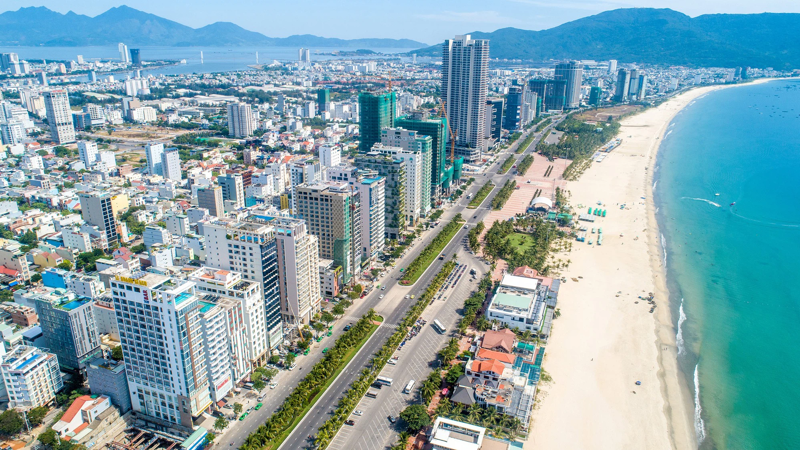
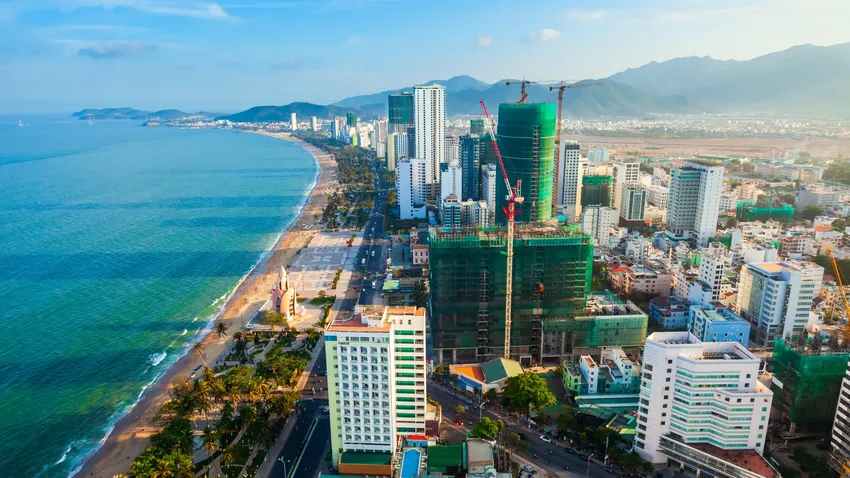
Illustrative image. Source: VnEconomy
In 2023, the nationwide supply of newly launched tourism and resort real estate products totaled only around 3,165 units, representing a decline of more than 80% compared to 2022. Transaction volumes also fell short of expectations, with the entire market recording just 726 successful transactions.
Moving into 2024, supply conditions showed notable improvement. The market recorded approximately 4,400 new tourism and resort real estate products, making a 40% increase year-on-year. Liquidity also improved significantly. Over the course of 2024, the marketing achieved around 2,500 transactions, with the absorption rate of new supply exceeding 50%.
The strong recovery of the tourism industry is widely regarded as a solid foundation and a critical driving force behind the revival and development of the tourism and resort real estate segment. Notably, 2024 also witnessed the confident return of a limited number of large-scale resort real estate projects.
Looking ahead, VARS forecasts that, alongside the robust recovery of tourism and the expanding opportunities created by an improving legal framework, resort real estate is expected to deliver results commensurate with the efforts made over recent years. However, to ensure a recovery that may be gradual but remains sustainable and firm, several key conditions must be met.
First, legal compliance must be strictly ensured. The legal framework governing real estate investment and development has become increasingly stringent, creating a new playing field reserved for developers with strong capabilities, sound governance and solid financial health. Given the legal sensitivities inherent in the resort real estate segment, strict compliance is essential to regain and reinforce the trust of buyers and investors.
Second, while product development is important, operational management is the decisive factor. Enterprises must invest appropriately in research and product development to continuously introduce new offerings and improve existing ones in line with the rising expectations of customers and investors. These properties must also be placed under professional and seamless operational management to ensure efficiency and long-term sustainability.
Third, investment in tourism and resort real estate cannot be separated from the development of transportation infrastructure and the tourism and service industries. These elements are considered critical supporting pillars and play a decisive role in determine the operational and financial effectiveness of resort real estate projects.
Regarding market developments in 2025, VARS experts anticipate further positive signals for the tourism and resort real estate segment. Demand is expected to continue improving as the legal framework becomes more complete, against the backdrop of a strong recovery in tourism and retail. Long-term resort villas and tourism apartments within projects that offer clear operational plans, particularly in provinces and cities with well-developed tourism sectors, are expected to attract sustained interest.
Primary market prices are forecast to remain at relatively high levels, albeit with more rational adjustments. Prices for resort villas may remain flat in areas experiencing an oversupply of high-end products, while long-term resort villas in key tourism destinations are expected to continue growing at an average rate of around 15% per year, supported by stable rental income streams.
In the short to medium term, the tourism real estate market is still expected to face numerous challenges. Potential solutions include expanding eligibility for foreign homeownership, implementing more flexible visa exemption policies to stimulate tourism demand, and converting projects that are no longer suitable for tourism purposes into residential developments. Such measures would help reduce waste and alleviate difficulties for both development and customers.
Source: doanhnghieptiepthi.vn