News
Updated the latest activities and news from CityLand.


(PLO)- The expansion of visa exemption policies is delivering a strong boost to Vietnam’s tourism industry, in turn fueling a robust recovery in the resort real estate market.
Rising demand for accommodation, leisure stays, and experiential travel—driven by the recovery of tourism and the increase in international arrivals thanks to the continued maintenance and expansion of visa-free entry—has been playing a significant role in accelerating the recovery of key resort and tourism real estate markets.
Vietnam’s tourism sector is experiencing an impressive phase of recovery, with visa exemption policies emerging as a key catalyst. Over the past two years, the Government has continuously expanded the list of countries eligible for preferential entry into Vietnam.
Most recently, Resolution No. 229 approved visa-free entry for citizens of 12 countries from August 15, 2025 to August 14, 2028. Earlier, in March this year, the Government issued Resolution No. 44 granting visa exemptions to citizens of another 12 countries. As a result, Vietnam currently applies unilateral visa exemption policies to citizens of 24 countries, primarily from Europe.
Notably, since August 2023, the permitted length of stay for unilateral visa-exempt travelers has been extended from 15 days to 45 days.
This marks a significant advancement in entry procedures, enhancing Vietnam’s competitiveness against leading destinations in the region. This group of travelers typically stays longer and has higher spending power, creating strong spillover effects across the economy.
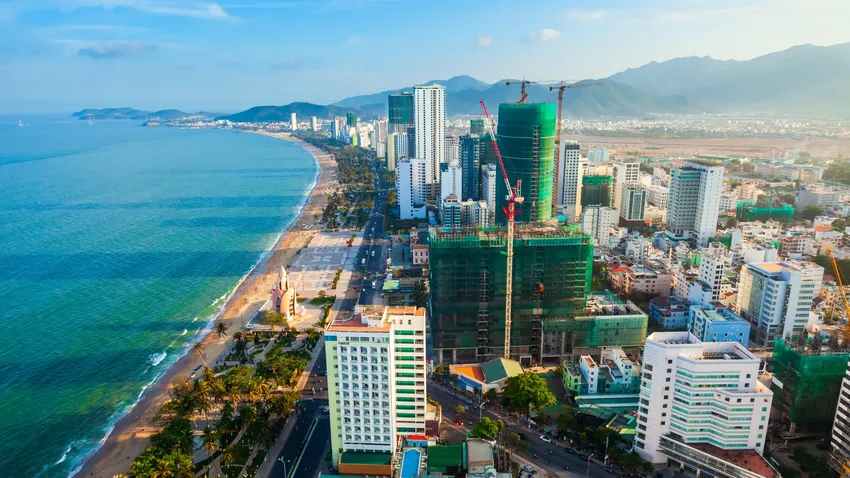
According to updated data from the General Statistics Office, international arrivals to Vietnam in the first six months of 2025 reached 10.7 million, up nearly 21% year-on-year and almost 26% compared to 2019.
Notably, statistics from the Vietnam National Authority of Tourism show that in the first half of 2025, arrivals from Poland increased by 44%, while those from Switzerland rose by 10% compared to the same period in 2024. These figures highlight the effectiveness of visa policies in positioning Vietnam as an increasingly attractive destination for high-end travelers.
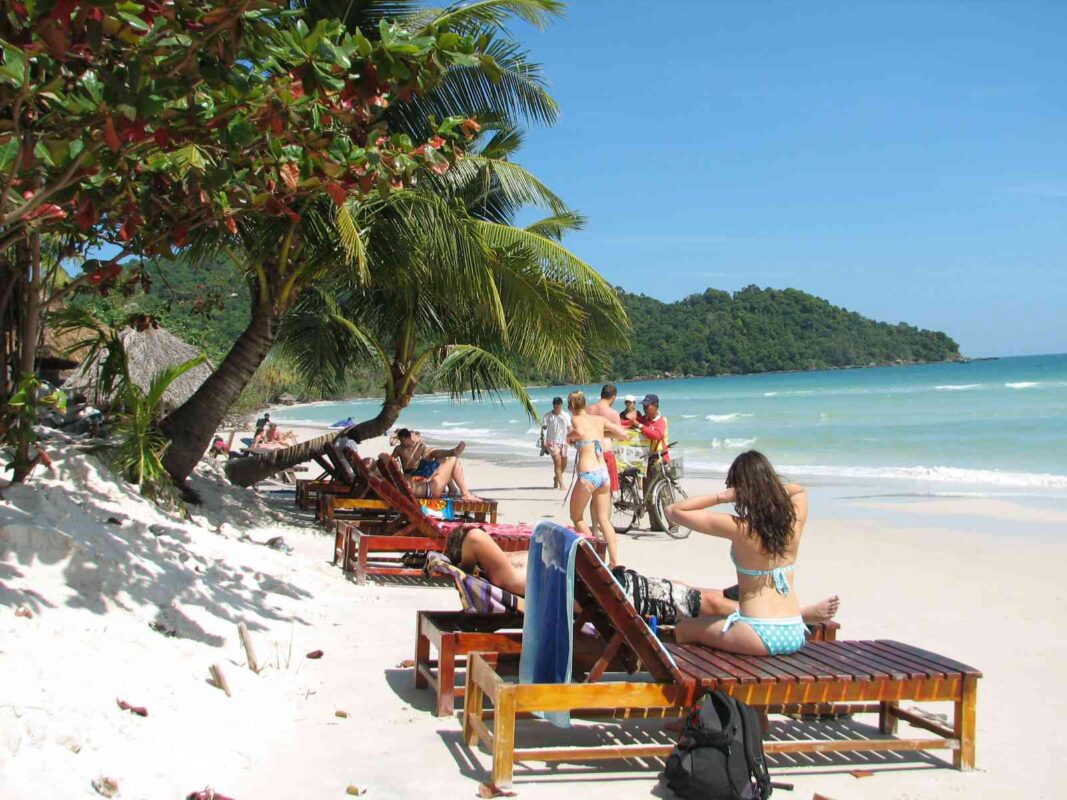
The strong growth in international arrivals has immediately translated into surging demand for accommodation, leisure, and experiential travel, thereby accelerating the recovery of key tourism and resort real estate markets.
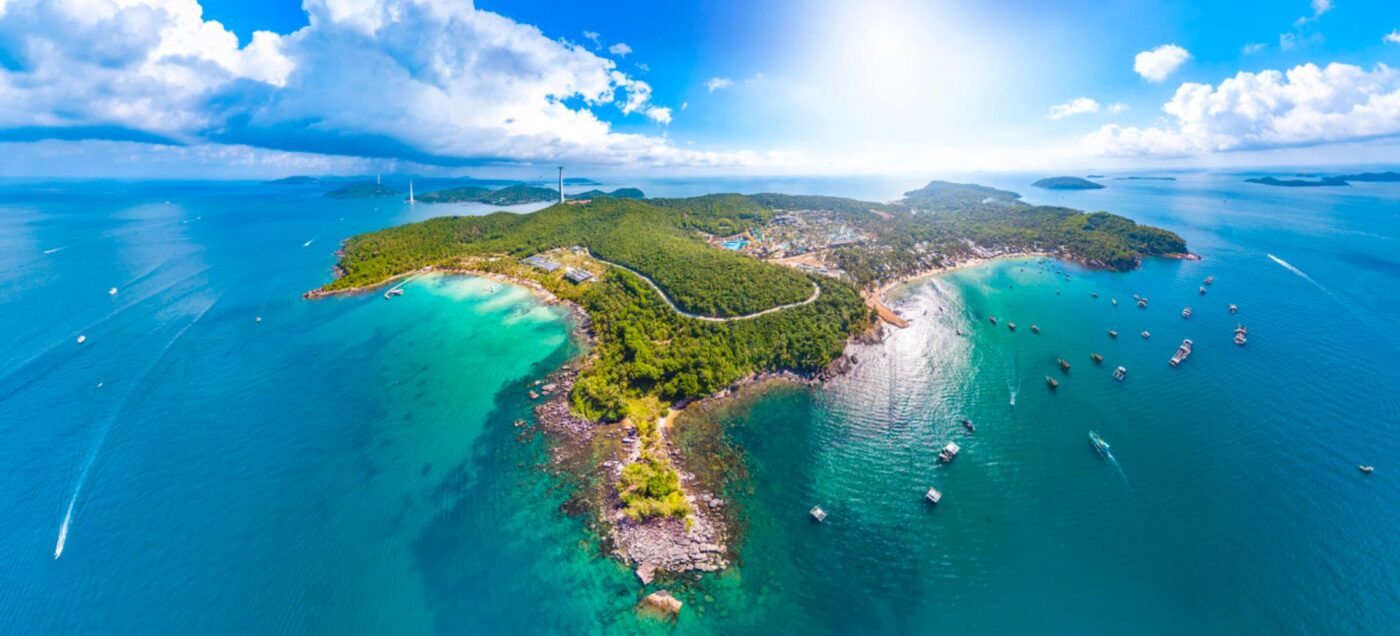
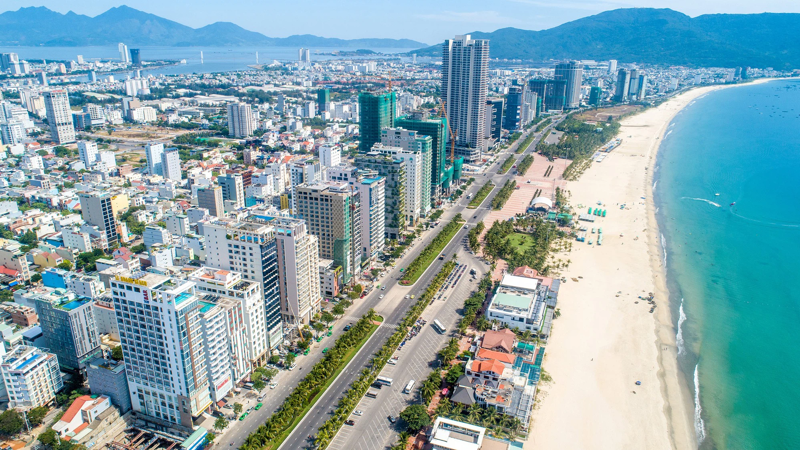
Surveys conducted by the Vietnam Association of Realtors’ Institute for Real Estate Market Research and Evaluation (VARS IRE), together with data from provincial Departments of Culture, Sports and Tourism, indicate that occupancy rates at 4–5-star hotels in major tourism hubs such as Da Nang, Nha Trang, and Phu Quoc have soared to 70–90%, with full bookings during holidays and festival periods. Room revenues have increased by 20–30% compared to the same period last year.
A common denominator among these localities is their well-developed infrastructure systems, strong tourism branding, and clear strategies for attracting international visitors. As a result, the value of resort real estate has gradually improved. The phenomenon of “cut-loss” sales has largely disappeared, while secondary market prices at some projects have risen by 5–10% over the past year. At the same time, many high-end resort developments have been relaunched, with some even introducing new phases to the market with encouraging results.
According to VARS IRE, visa exemption policies will continue to push occupancy rates higher and stimulate investors to introduce additional supply. Projects that were previously stalled in key markets are likely to be revived.
Beyond short-term impacts, these policies are also shaping the long-term strategy of the resort real estate sector. International visitors with longer stays and higher spending power are opening up opportunities for premium product segments such as beachfront villas, internationally branded resorts, and luxury condotels. In parallel, many localities are accelerating investment in critical infrastructure—including airports, seaports, and expressways—to anticipate future growth in visitor numbers. This not only enhances tourism capacity but also elevates real estate values across entire regions.
In the long run, the sustained expansion of visa exemption policies strengthens Vietnam’s position as an attractive destination for both investment and leisure. A segment of international visitors—especially repeat travelers—has begun to show interest in purchasing property for long-term stays, retirement, or combined investment purposes. This forms a crucial foundation for the sustainable development of resort real estate, reducing reliance on short-term demand.
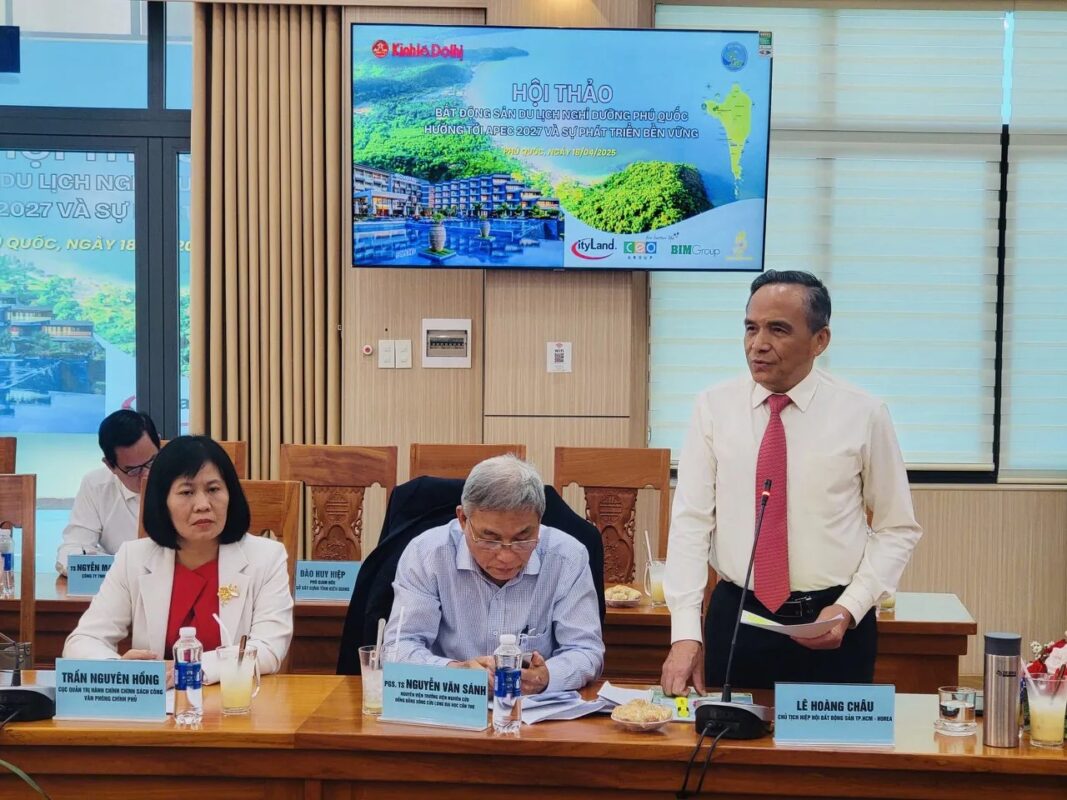
However, Mr. Nguyễn Văn Đính, Chairman of VARS, emphasized that to transform advantages into real breakthroughs, real estate developers must innovate both products and experiences. The trend toward integrated developments combining diverse amenities, wellness services, night-time economy, and experiential tourism is becoming increasingly evident. At the same time, resolving legal bottlenecks and building a transparent, stable investment environment on the part of the State remain prerequisite conditions for strengthening investor confidence—both domestic and international.
Many real estate enterprises also acknowledge that visa exemption policies not only deliver immediate benefits to the tourism sector but also create long-term momentum for resort real estate. As international arrivals continue to grow in both quantity and quality, Vietnam’s resort real estate market has a solid foundation to enter a new growth cycle—one that is more sustainable, more professional, and increasingly competitive within the region.
Source: plo.vn